Abstract Seamless Repeating Patterns: A Practical Guide for Designers and Creators
Abstract seamless repeating patterns have become a staple in the world of graphic design, offering a versatile and efficient way to create visually appealing backgrounds and textures. These patterns are designed to repeat seamlessly across any surface without visible seams or disruptions, making them ideal for a wide range of applications. In this article, we explore what abstract seamless repeating patterns are, why they might be useful, and how to evaluate whether they align with your creative or commercial goals.
What Are Abstract Seamless Repeating Patterns?
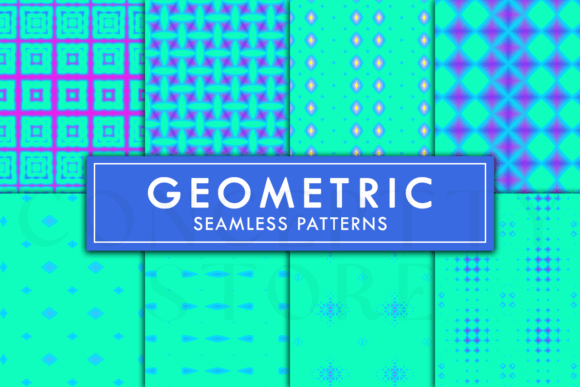
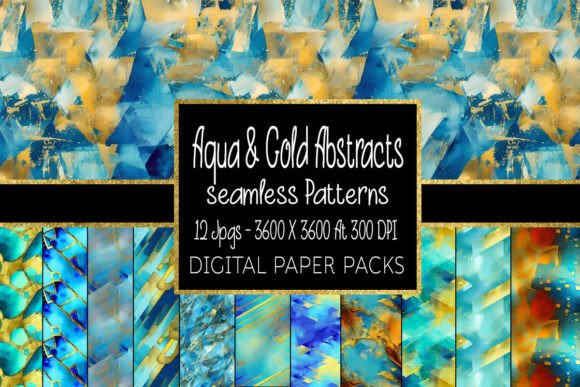
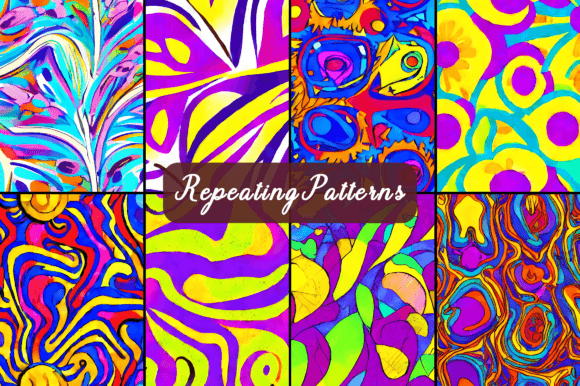
Abstract seamless repeating patterns are digital designs that can be tiled infinitely without leaving gaps or overlaps. They are typically created using vector graphics or AI tools that generate high-quality, scalable images. These patterns often feature geometric shapes, color gradients, and stylized elements that blend together smoothly when repeated.
The key characteristic of these patterns is their "seamless" nature, which means they can be used on any surface or background without the need for manual adjustments. This makes them particularly useful for designers who need consistent, repeatable visuals across multiple projects.
Why Would Someone Be Interested in Abstract Seamless Repeating Patterns?
Designers, illustrators, and creators across various industries may find value in using abstract seamless repeating patterns for several reasons:
- Efficiency: They save time by eliminating the need to manually create or adjust repetitive elements in a design.
- Creativity: They offer a starting point for experimentation with color, shape, and texture.
- Consistency: They ensure uniformity across different surfaces, such as fabric, print media, or digital interfaces.
- Cost-Effectiveness: Using pre-made patterns can reduce the need for custom design work, especially for small-scale or budget-conscious projects.
In particular, the use of AI-generated abstract seamless repeating patterns has gained popularity due to the ease of access and customization options they provide. With just a few clicks, users can download high-quality PNG files that are ready to be applied to a variety of projects.
Benefits and Considerations
One of the main benefits of using abstract seamless repeating patterns is their versatility. Whether you're designing a website, creating a greeting card, or producing a product label, these patterns can be adapted to fit your needs. Additionally, the availability of multiple pattern options allows for greater creativity and personalization.
However, there are also some considerations to keep in mind. While AI-generated patterns can be highly effective, they may lack the uniqueness or depth of hand-crafted designs. For projects where originality is a priority, it may be worth exploring custom design options or combining AI-generated patterns with manual adjustments.
Another factor to consider is the resolution and quality of the patterns. High-resolution PNG files (such as 2048 x 2048 px) ensure that the patterns remain sharp and clear even when scaled up or printed at larger sizes. This is particularly important for commercial use, where visual clarity can significantly impact the final outcome.
Situations Where Abstract Seamless Repeating Patterns Excel
Abstract seamless repeating patterns are particularly well-suited for certain types of projects:
- All-Over Prints: These patterns are commonly used in textile design, where they cover an entire fabric surface without interruption.
- Invitations and Cards: The subtle complexity of abstract patterns adds visual interest to stationary and event materials.
- Product Packaging: They can enhance the aesthetic appeal of items like mugs, bags, and pillows without requiring intricate detailing.
- Digital Backgrounds: Web designers often use these patterns to create engaging and dynamic user experiences.
For those working within tight deadlines or with limited resources, abstract seamless repeating patterns offer a practical solution that balances creativity with efficiency.
When Might Alternatives Be Better?
While abstract seamless repeating patterns are a valuable tool, they may not always be the best choice. In situations where a more personalized or unique design is required, alternative approaches such as hand-drawn illustrations or custom vector art could be more appropriate.
Additionally, for projects that demand a high level of detail or specific branding elements, relying solely on pre-made patterns may limit creative freedom. It's important to assess the balance between convenience and customization based on the project's requirements.
How to Decide if Abstract Seamless Repeating Patterns Are Right for You
Before deciding to use abstract seamless repeating patterns, consider the following questions:
- Do I need a consistent, repeatable design for a large-scale project?
- Am I looking for a quick and cost-effective solution for my creative needs?
- Can I accept a degree of standardization in favor of speed and efficiency?
- Is the intended use of the pattern suitable for a seamless, tiling application?
If the answer to these questions is yes, then abstract seamless repeating patterns could be an excellent choice. However, if your project requires a more bespoke or intricate design, it may be worth exploring other options.
Ultimately, the decision to use abstract seamless repeating patterns depends on your specific goals, resources, and creative vision. By understanding the strengths and limitations of these patterns, you can make an informed choice that aligns with your needs and enhances your design outcomes.