Peony Flower Watercolor Patterns: A Creative Resource for Design and Craft Projects
Peony Flower Watercolor Patterns offer a versatile and elegant solution for designers, crafters, and creators looking to add a touch of softness and beauty to their projects. These patterns are not just decorative elements; they serve as functional assets that can be integrated into various creative workflows. Whether you're working on invitations, social media graphics, or wall art, the right pattern can elevate your design and make it more visually engaging.
Understanding Peony Flower Watercolor Patterns
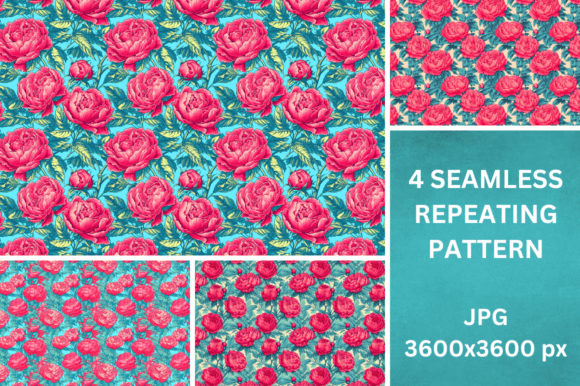
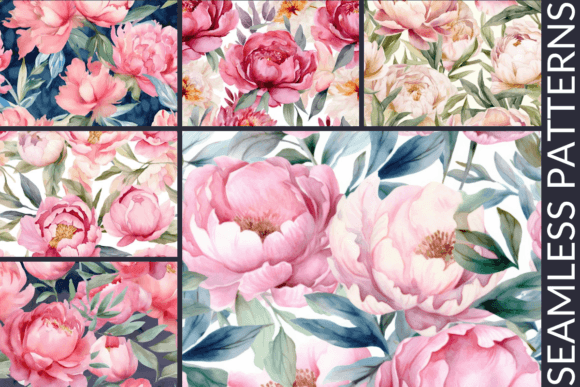
Peony Flower Watercolor Patterns are digital assets designed to mimic the soft, flowing strokes of watercolor paintings. Each pattern features peonies—flowers known for their lush petals and vibrant colors—rendered in a style that feels both artistic and approachable. The patterns are available in a seamless format, making them easy to repeat and scale without visible seams.
The product includes six seamless patterns, each measuring 12 inches by 12 inches (3600px by 3600px) at 300 DPI in JPG format. This high-resolution quality ensures that the patterns maintain clarity and detail even when printed or used in large-scale designs. The file format is also compatible with most graphic design software, making it easy to integrate into your workflow.
Where Peony Flower Watercolor Patterns Fit in Your Workflow
These patterns can be used at any stage of a creative project, from initial concept development to final touches. For instance, during the planning phase, they can help set a visual tone for a design project. When designing invitations or social media banners, they can serve as a background that adds depth and interest without overwhelming the main content.
During the execution phase, these patterns can streamline the process of creating consistent visuals across multiple assets. Whether you're designing a series of cards or a collection of social media posts, using the same pattern throughout helps maintain brand identity and visual cohesion.
After the project is completed, the patterns can also be repurposed for other uses. For example, they can be printed as wall art, used as templates for scrapbooking, or incorporated into DIY crafts. Their versatility makes them a valuable addition to any designer's toolkit.
How to Use Peony Flower Watercolor Patterns Effectively
Using Peony Flower Watercolor Patterns effectively requires some preparation and understanding of how they interact with other design tools and resources. Here are a few practical tips:
- Choose the Right Pattern: Not all patterns are suitable for every project. Consider the color palette, complexity, and scale of the pattern when selecting one that best fits your needs.
- Use Layering Techniques: When incorporating the patterns into your design, use layering to ensure they complement rather than overpower other elements. Adjust opacity or place them behind text or images for better visibility.
- Test on Different Backgrounds: Before finalizing a design, test the pattern on different backgrounds to see how it interacts with colors and textures. This helps avoid unexpected results when the design is applied in real-world scenarios.
- Organize Your Files: Keep your design files organized by project and purpose. This makes it easier to locate and reuse patterns in future projects, saving time and effort.
- Experiment with Layouts: Don't be afraid to experiment with different layouts and compositions. The flexibility of watercolor patterns allows for creative exploration and innovation.
By following these tips, you can maximize the utility of Peony Flower Watercolor Patterns and ensure they enhance rather than hinder your creative process.
Integrating Peony Flower Watercolor Patterns into Your Workflow
Integrating Peony Flower Watercolor Patterns into your workflow involves more than just downloading and using them. It requires considering how they fit with your existing tools, methods, and platforms. For example, if you're using Adobe Photoshop or Illustrator, you can easily import the patterns as layers or clipping masks. If you're working on a website or app, you might use them as background images or SVG elements.
It's also important to consider compatibility and usability. Ensure that the resolution and format of the patterns match the requirements of your project. High-quality patterns like these should be used in contexts where detail and clarity are essential, such as print materials or high-resolution displays.
Additionally, think about how these patterns can be used in conjunction with other design elements. For instance, pairing them with bold typography or geometric shapes can create a striking contrast that draws attention and enhances the overall aesthetic.
Practical Applications of Peony Flower Watercolor Patterns
Peony Flower Watercolor Patterns are incredibly versatile and can be applied to a wide range of projects. Here are some common use cases:
- Invitations and Event Materials: Use the patterns as backgrounds for wedding invitations, birthday cards, or event posters to create a soft, elegant look.
- Social Media Graphics: Incorporate the patterns into Instagram stories, Facebook covers, or Twitter headers to add visual interest and brand consistency.
- Scrapbooking and Crafts: Print the patterns on paper or fabric and use them as templates for handmade projects, adding a personal and artistic touch.
- Graphic Design Projects: Use the patterns in logo design, branding materials, or marketing collateral to create a cohesive and visually appealing brand identity.
- Wall Art and Decor: Print the patterns on canvas or paper and display them as part of your home decor, adding a subtle yet impactful element to your space.
- Business Cards and Stationery: Integrate the patterns into business cards, letterheads, or notebooks to create a unique and memorable brand presence.
Each of these applications demonstrates how Peony Flower Watercolor Patterns can be seamlessly integrated into different aspects of creative work, making them a valuable resource for professionals and hobbyists alike.
Conclusion
Peony Flower Watercolor Patterns are more than just decorative elements—they are powerful tools that can enhance the quality and impact of your creative projects. By understanding their role in your workflow, experimenting with their use, and integrating them thoughtfully, you can unlock new possibilities and elevate your designs to the next level. Whether you're a professional designer or a passionate hobbyist, these patterns offer a beautiful and functional way to bring your ideas to life.