Seamless Patterns, Mosaic: A Creative Resource for Designers and Artists
Seamless patterns and mosaic designs are powerful tools in the world of visual design. Whether you're a professional designer, an artist, or someone looking to add unique elements to your creative projects, understanding how these patterns work can open up new possibilities. Seamless patterns are created to repeat without visible seams, making them ideal for use on textiles, wallpaper, and other surfaces. Mosaic patterns, often composed of small geometric or organic shapes, bring texture and depth to any design.
The Power of Seamless Patterns
Seamless patterns are designed to tile seamlessly across a surface. This means that when you place one pattern next to another, there's no visible break or seam between them. This characteristic makes seamless patterns incredibly versatile. They can be used in a wide range of applications, from fashion and home décor to digital backgrounds and print media.
One of the key benefits of seamless patterns is their adaptability. Because they repeat smoothly, they can be scaled up or down without losing quality. This makes them perfect for large-scale projects like wall coverings or fabric prints. Additionally, they offer a consistent look throughout the design, which is especially useful in branding and packaging.
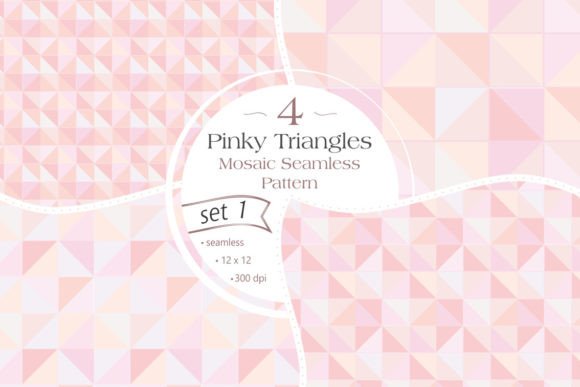
Mosaic patterns take this concept further by introducing a layer of complexity through the arrangement of individual tiles or shapes. These patterns often feature a mix of colors, textures, and forms, creating a visually engaging effect. When combined with seamless tiling, mosaic patterns can create stunning visual compositions that are both dynamic and cohesive.
Applications of Seamless Patterns and Mosaic Designs
Seamless patterns and mosaic designs have a broad range of applications. Here are some common uses:
- Fashion and Textiles: Seamless patterns are widely used in clothing and fabric design. They allow for intricate, repeating motifs that can be applied to garments, accessories, and home textiles.
- Interior Design: From wallpaper to curtains, seamless patterns add visual interest to interior spaces. Mosaic patterns, in particular, can enhance the aesthetic of walls, floors, and furniture.
- Digital Design: These patterns are also valuable in web and app design. They can serve as background textures, adding depth and style without overwhelming the content.
- Print Media: Magazines, brochures, and posters often incorporate seamless patterns to create a more engaging layout. Mosaic patterns can add a unique flair to editorial design.
- Art and Craft: Artists and crafters use seamless and mosaic patterns to create custom pieces, such as paintings, ceramics, and decorative items.
Whether you're working on a commercial project or a personal creative endeavor, seamless patterns and mosaic designs can elevate your work with their versatility and visual appeal.
Choosing the Right Pattern for Your Project
When selecting a seamless pattern or mosaic design, it's important to consider several factors:
- Purpose: What is the intended use of the pattern? Is it for fabric, wallpaper, or digital design? The purpose will influence the style and complexity of the pattern.
- Color Scheme: The color palette should align with the overall design theme. Consider how the colors will interact with the surrounding elements.
- Texture and Detail: Some patterns may be more intricate than others. Choose a level of detail that suits your project's needs and the medium you're using.
- File Format: Ensure that the pattern files are in the correct format for your software. Common formats include EPS for vector graphics and JPG for high-resolution images.
- Resolution: For print projects, a resolution of at least 300 DPI is recommended to ensure clarity and sharpness.
By carefully evaluating these aspects, you can choose a pattern that best fits your project and delivers the desired outcome.
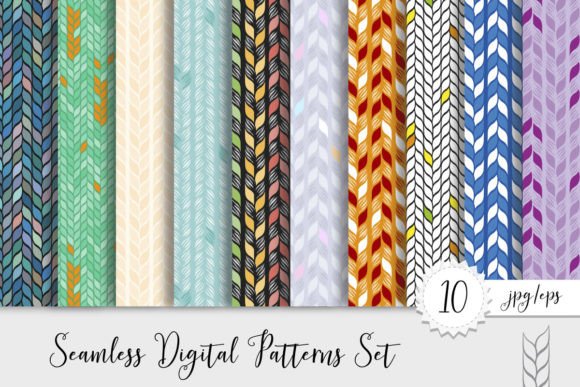
Exploring the Collection: 10 Vector Seamless Patterns with Mosaic and Weaving Elements
For designers and creators, having access to a variety of seamless patterns is essential. Below is a curated list of 10 vector seamless patterns that combine mosaic and weaving elements, offering a range of styles and textures to suit different applications:
- Mosaic Grid: A clean, geometric pattern featuring a grid of colored tiles. Ideal for modern and minimalist designs.
- Weave Texture: A subtle yet detailed pattern that mimics the look of woven fabric. Great for adding texture to fabrics and wallpapers.
- Geometric Mosaic: A vibrant pattern made up of interlocking shapes. Perfect for bold and eye-catching designs.
- Abstract Mosaic: A more artistic approach to mosaic patterns, featuring irregular shapes and a mix of colors.
- Traditional Weaving: Inspired by classic weaving techniques, this pattern offers a timeless and elegant look.
- Modern Mosaic: A contemporary take on mosaic patterns, blending geometric shapes with modern color schemes.
- Patterned Weave: A combination of weaving and mosaic elements, creating a layered and textured effect.
- Textured Mosaic: Adds depth and dimension to any design with its varied textures and colors.
- Minimalist Mosaic: A simple yet effective pattern that works well in both digital and print media.
- Ornate Mosaic: Features intricate details and elaborate shapes, ideal for decorative and artistic projects.
Each of these patterns is available as a separate file, complete with a high-resolution JPG preview. The files are provided in two formats: 10 EPS vector files for Adobe Illustrator and 10 JPG files at 300 DPI in RGB color. This ensures compatibility with a wide range of design software and applications.
Practical Tips for Using Seamless Patterns and Mosaic Designs
While seamless patterns and mosaic designs offer immense creative potential, there are a few practical considerations to keep in mind:
1. Test Before Finalizing: Always test a pattern on a small scale before applying it to a larger project. This helps identify any issues with alignment or repetition.
2. Use High-Quality Files: Ensure that you're using high-resolution files (at least 300 DPI) to maintain clarity and sharpness, especially for print projects.
3. Adjust Colors as Needed: Depending on the application, you may need to adjust the color scheme to match the overall design or brand identity.
4. Combine with Other Elements: Seamless patterns can be used in conjunction with other design elements to create a more dynamic composition.
5. Consider the Medium: Different materials and surfaces may require different types of patterns. For example, a pattern suitable for fabric might not work well on wallpaper.
By keeping these tips in mind, you can maximize the effectiveness and impact of your seamless and mosaic designs.
Conclusion: Enhance Your Projects with Seamless Patterns and Mosaic Designs
Seamless patterns and mosaic designs are more than just decorative elements—they are essential tools for designers, artists, and creators. Their ability to repeat seamlessly and their rich visual textures make them versatile and adaptable for a wide range of applications. Whether you're working on a textile project, a digital design, or a print layout, these patterns can elevate your work with their unique charm and functionality.
With the right collection of patterns, such as the 10 vector seamless patterns with mosaic and weaving elements described above, you'll have the resources needed to bring your creative vision to life. Explore, experiment, and let your imagination guide you—because the possibilities are endless.